

DIS Blog
A summer abroad on a budget
“I found that it’s totally possible to have a rich, meaningful experience without spending a ton of money. For me, that began as soon as I gave myself permission to slow down.“
For Cadence, coming abroad was a big financial decision—one that required a lot of planning and preparation. Once she secured funding through DIS scholarships and the Gilman scholarship, she mapped out a budget that would allow her to live fully while abroad.
By tracking her expenses, bonding with others who were also budget-mindful, and embracing a slower, more intentional approach to study abroad, she turned financial worries into stronger friendships and a memorable six weeks abroad.
Read her experiences and her advice to future students below.
About the blogger
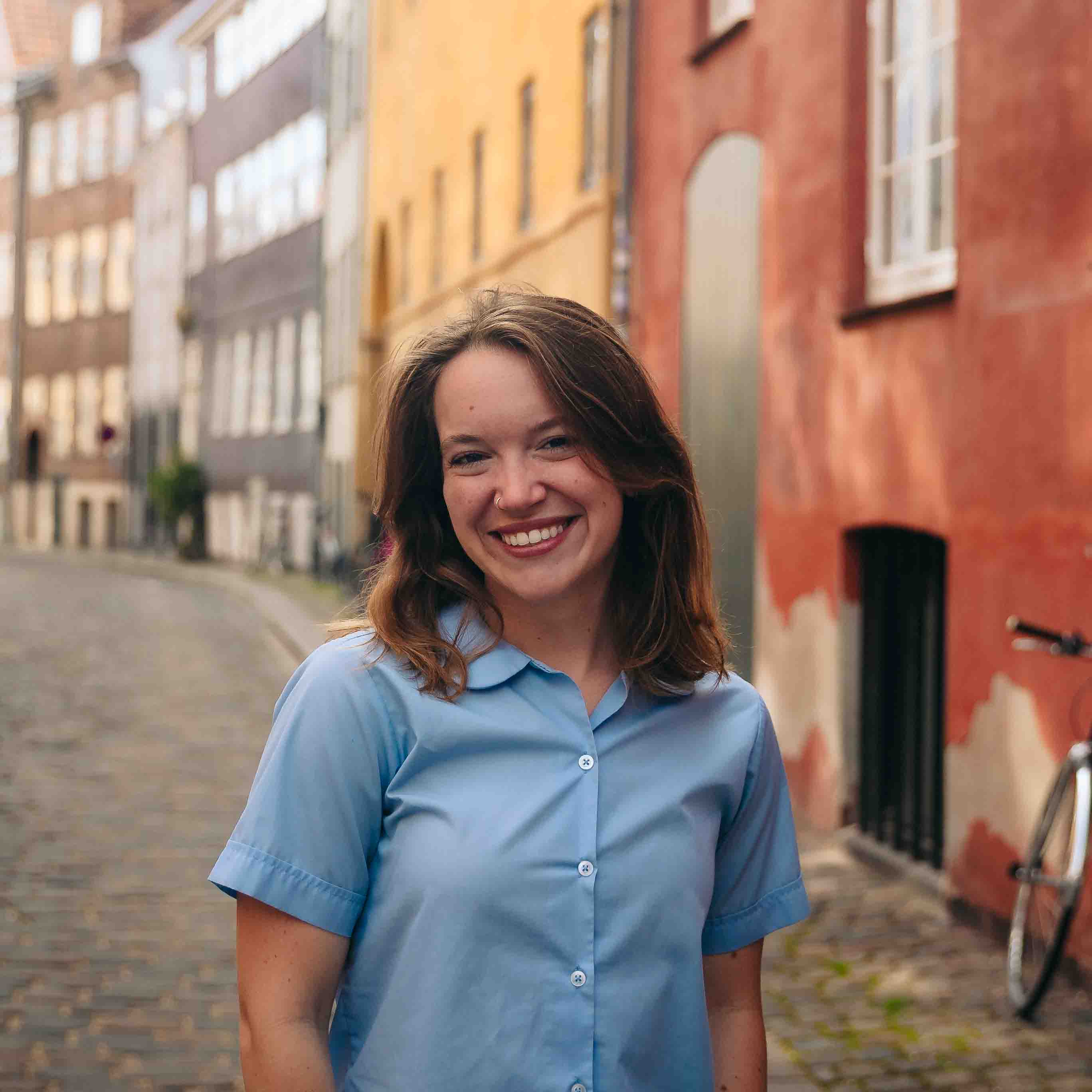
Cadence (she/her) is a rising senior at Smith College. This summer she took Guilty or Not Guilty? Psychology in the Courtroom (Session 2) and Food, Migration, and Belonging (Session 3).

When I first decided to study abroad during the summer, my excitement was tinged by a familiar and deeply practical concern: money.
As someone who has worked a job since the age of fifteen, the idea of taking six weeks off was both thrilling and daunting. Still, I was eager to let go of that pressure and give myself space to grow through new experiences without feeling held back by guilt or fear.
There’s a common stereotype that studying abroad means hemorrhaging money at every turn.
But I found that, with some intention, this doesn’t have to be the whole picture.
For me, and for a lot of people I met, it became more about learning how to live well on a budget, cooking meals with friends, finding free or low-cost things to do, and getting creative with ways to explore the city. I found that it’s totally possible to have a rich, meaningful experience without spending a ton, and for me, that began as soon as I gave myself permission to slow down.
Navigating financial independence while abroad lent itself to a different kind of freedom, one that I didn’t expect to derive enjoyment from. I learned how to live fully and joyfully within my means without stressing about what I could and could not afford.
Tracking my spending
That being said, I tracked my spending in a spreadsheet.
While it was tedious at times, that level of awareness gave me the freedom to make intentional choices instead of being consumed by the anxiety of the unknown. I enjoyed the certainty of knowing where I was and what I had left.
I frequently reminded myself of the hours I spent perfecting scholarship essays and meeting with my advisor at my college’s global studies center to research various financial aspects of studying abroad. Knowing I had put in the work on the upfront to make this experience happen eased my concerns about spending. Instead, I focused on savoring each purchase without guilt. I had budgeted this money to be spent after all.
“I was surprised to find that many of my new friends shared my same financial worries…Conversations about money brought us closer, not apart.”
Finding community through budgeting
Before my arrival, I worried that my financial boundaries might isolate me socially.
The common advice I had heard from others when studying abroad was to say “yes” to everything. I couldn’t help but feel a pang of worry that too many yeses might quickly push me over my budget.
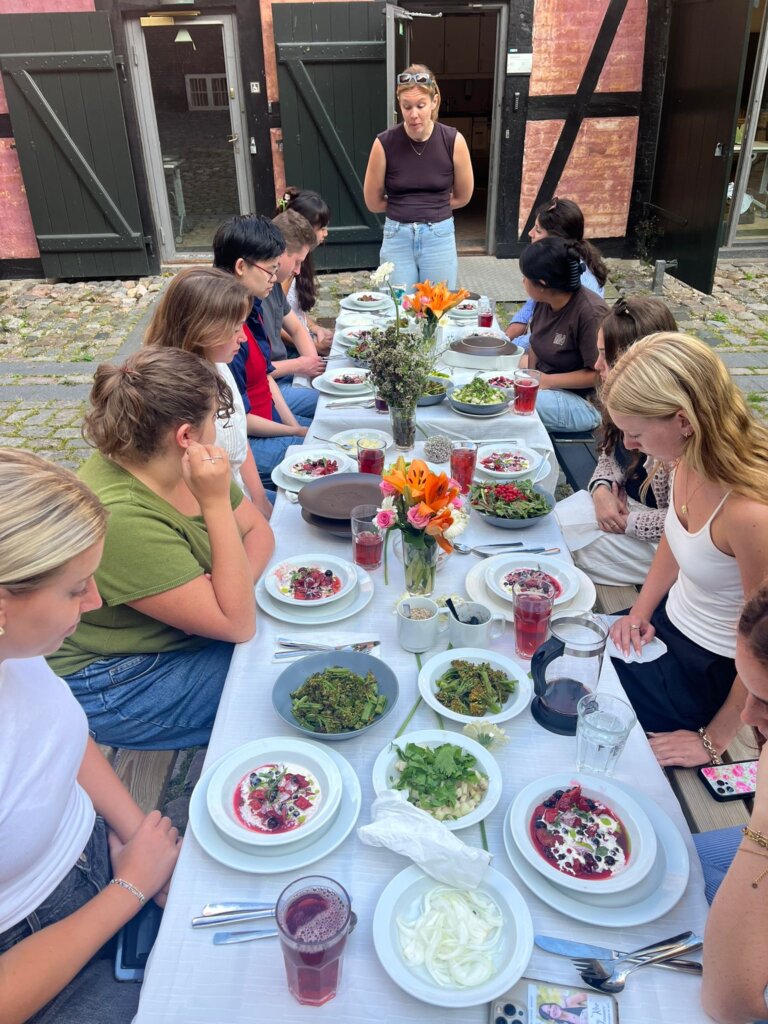
But once abroad, I was pleasantly surprised to find that many of my new friends shared the same worries. Once we realized this, we were able to team up and help each other. We leaned into cooking together, pooling our groceries and experimenting with whatever ingredients we had on hand.
Finances are deeply emotional and social, and I was surprised to find that the conversations I had with friends about money brought us closer, not apart. Speaking with each other about our experiences offered reassurance during moments of stress. They reminded me that I deserved to be here, even if my bank account told another story.
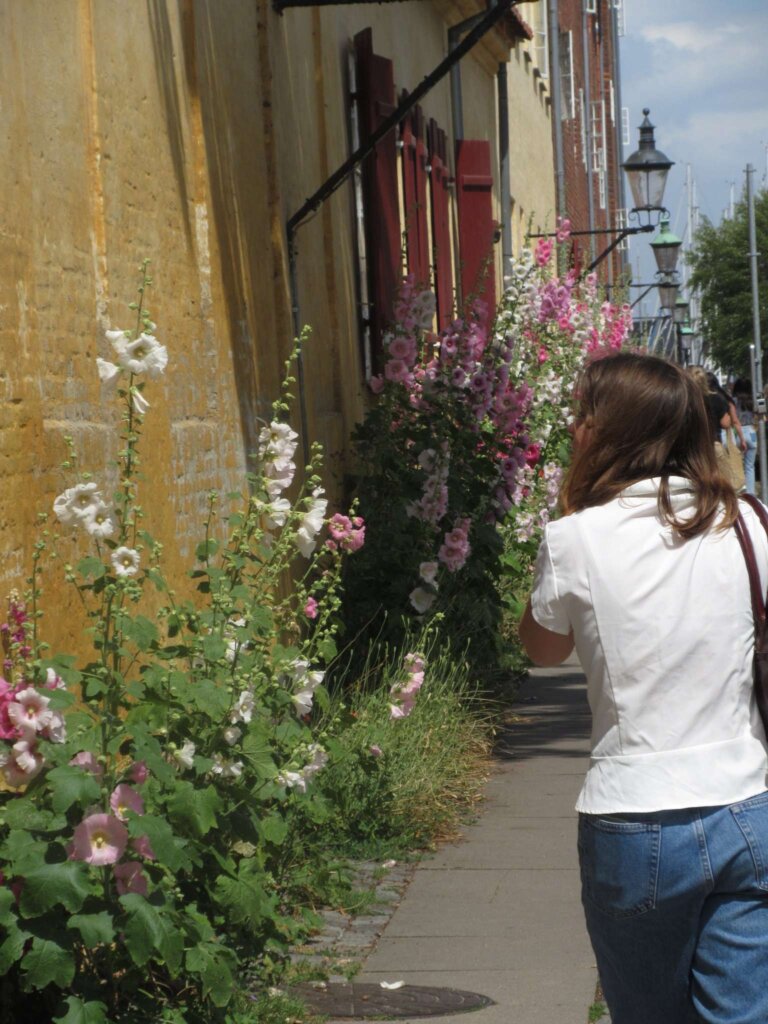
Discovering Madboks
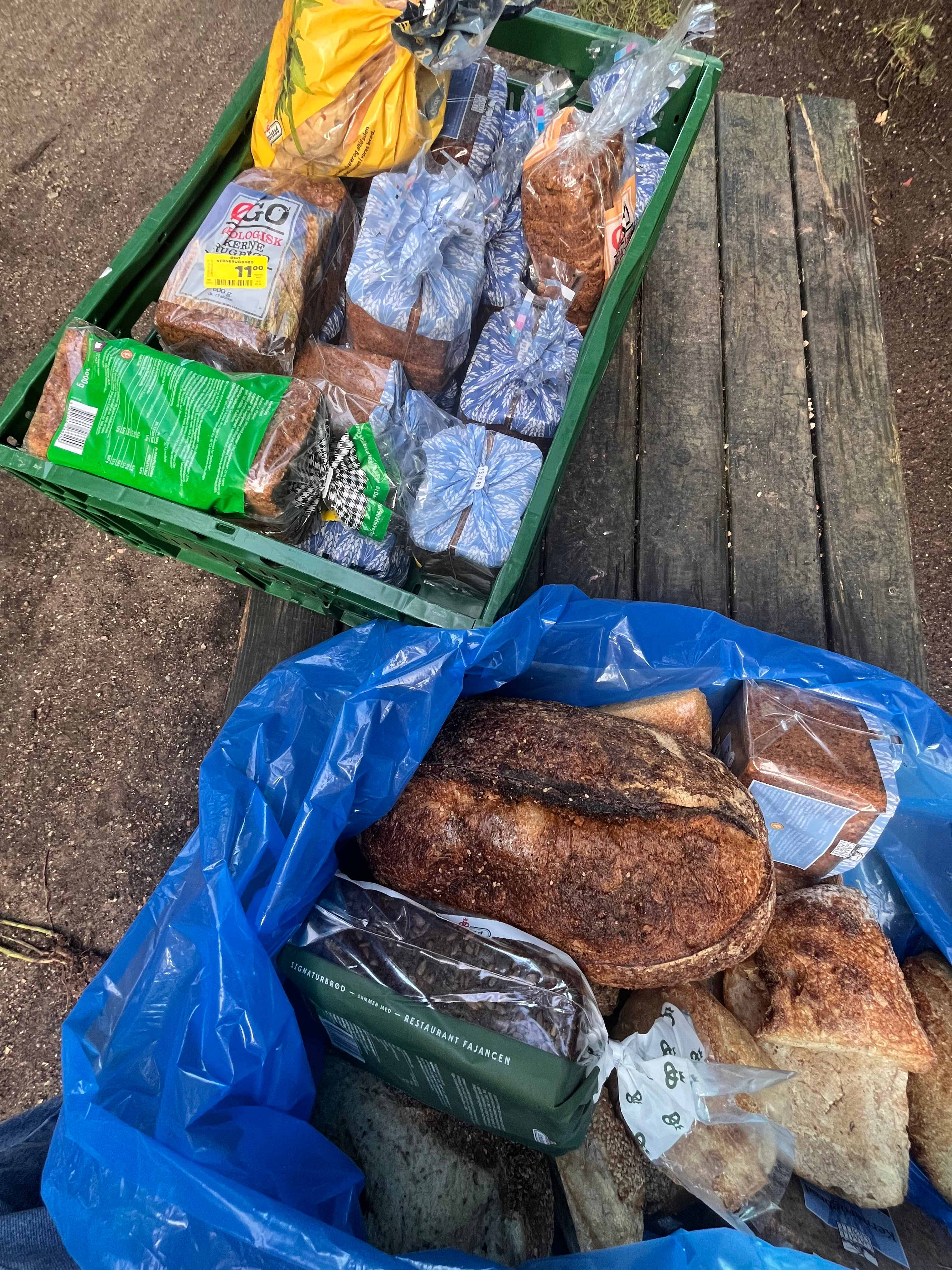
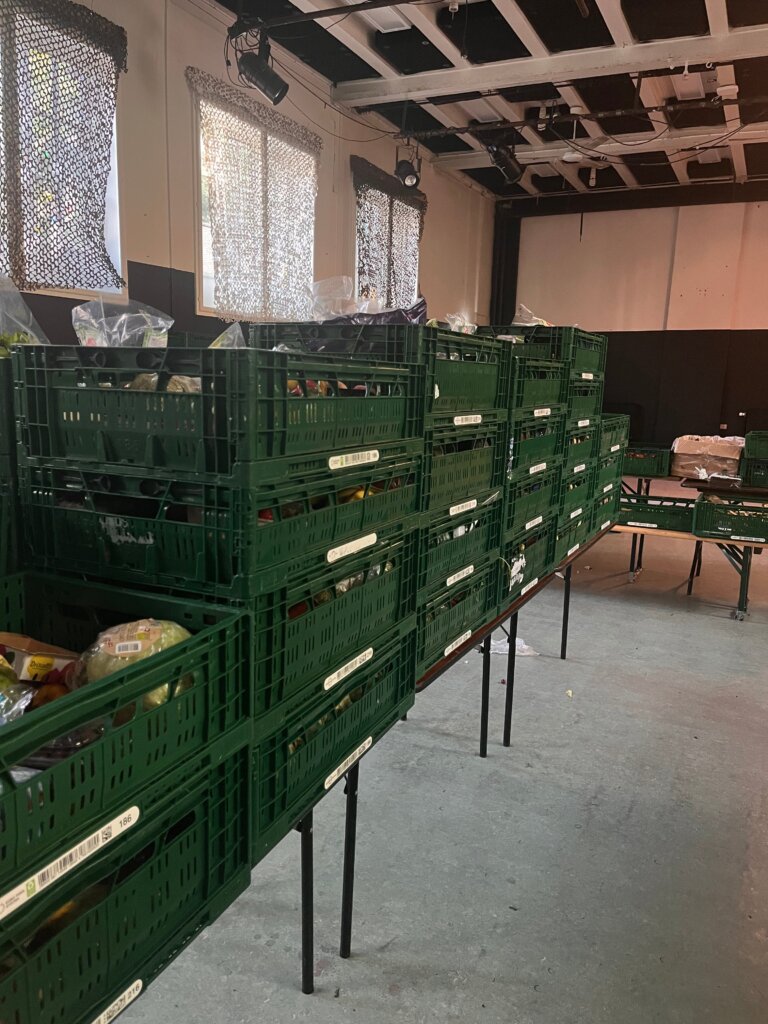
One of my favorite discoveries while in Copenhagen was Madboks (which loosely translates to food box or lunch box), a volunteer organization that redistributes surplus food from grocery stores. In exchange for helping out, volunteers take home a box of perfectly good produce, bread, and pastries.
I’d plan entire meals around the items I collected, which became a creative challenge that I genuinely looked forward to. I also learned to be strategic about shopping, taking mental notes on where to find the most affordable versions of my staple items. I was truly surprised by how manageable budgeting abroad became, especially when food – the main daily expense – was taken care of.
The course I enrolled in, Food, Migration, and Belonging, became another surprisingly helpful resource. Our informal class conversations often centered around grocery store finds and affordable bites around the city.
I found that these casual exchanges helped me shape my own approach to eating and spending abroad, offering a combination of useful strategies and a sense of connection.
Free spaces and slower days
When I did want to change up my scenery, I learned to relish free spaces around each city.
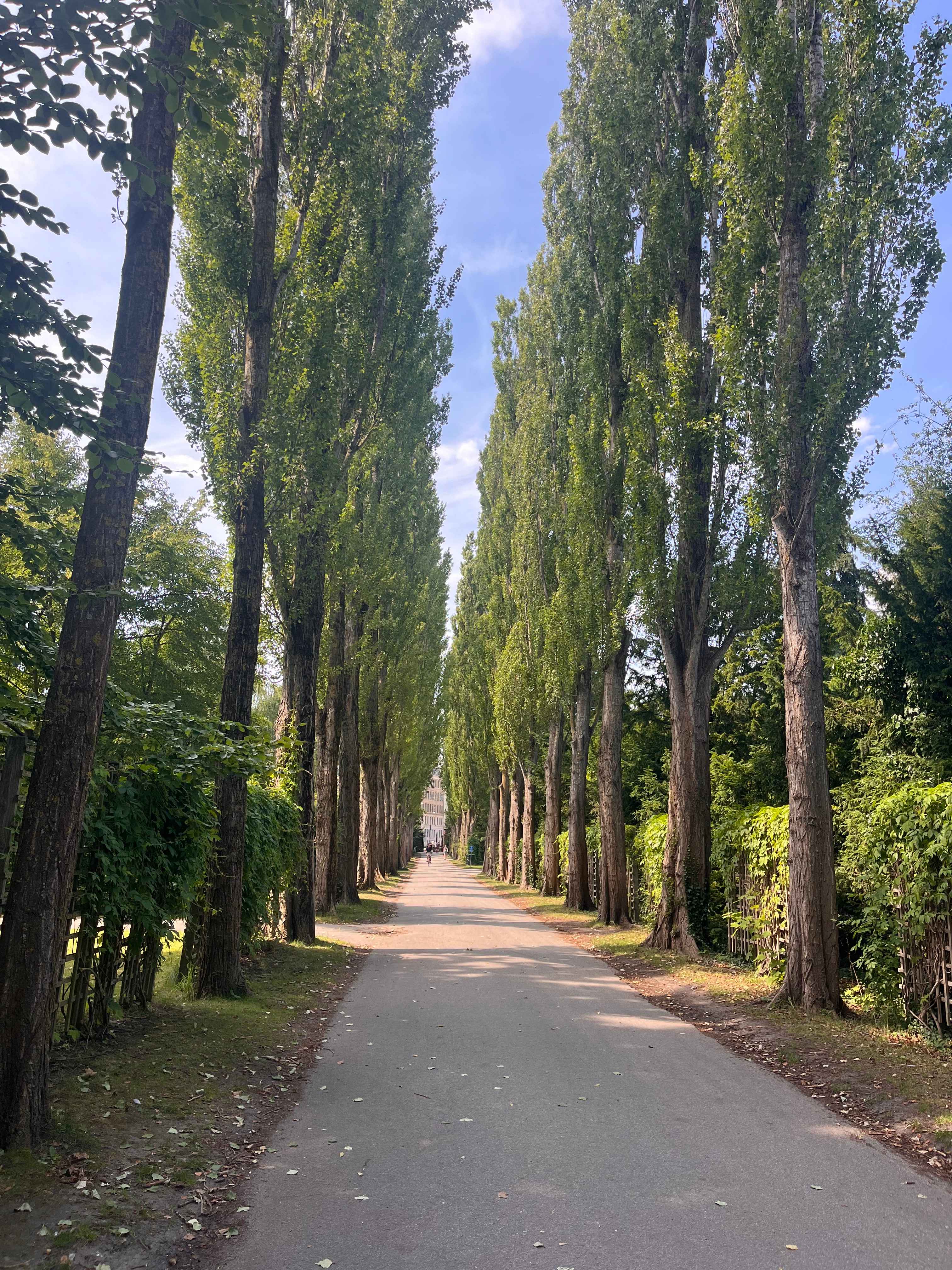
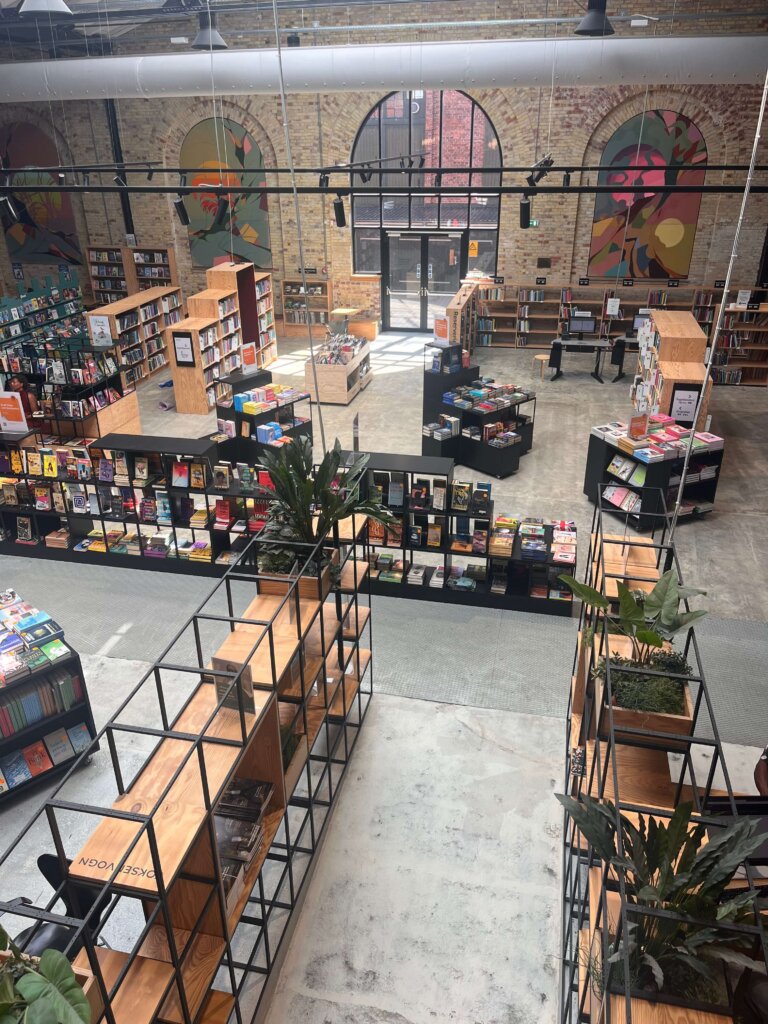
I love Stockholm and Copenhagen’s café cultures, but coffees and pastries can add up. I realized I could romanticize my studying abroad just the same in libraries or on a cozy park bench.
I discovered a quiet kind of satisfaction in opening my laptop somewhere new, accompanied by a coffee brought from home or a baked good I collected from Madboks and the buzz of the city and its people moving around me.
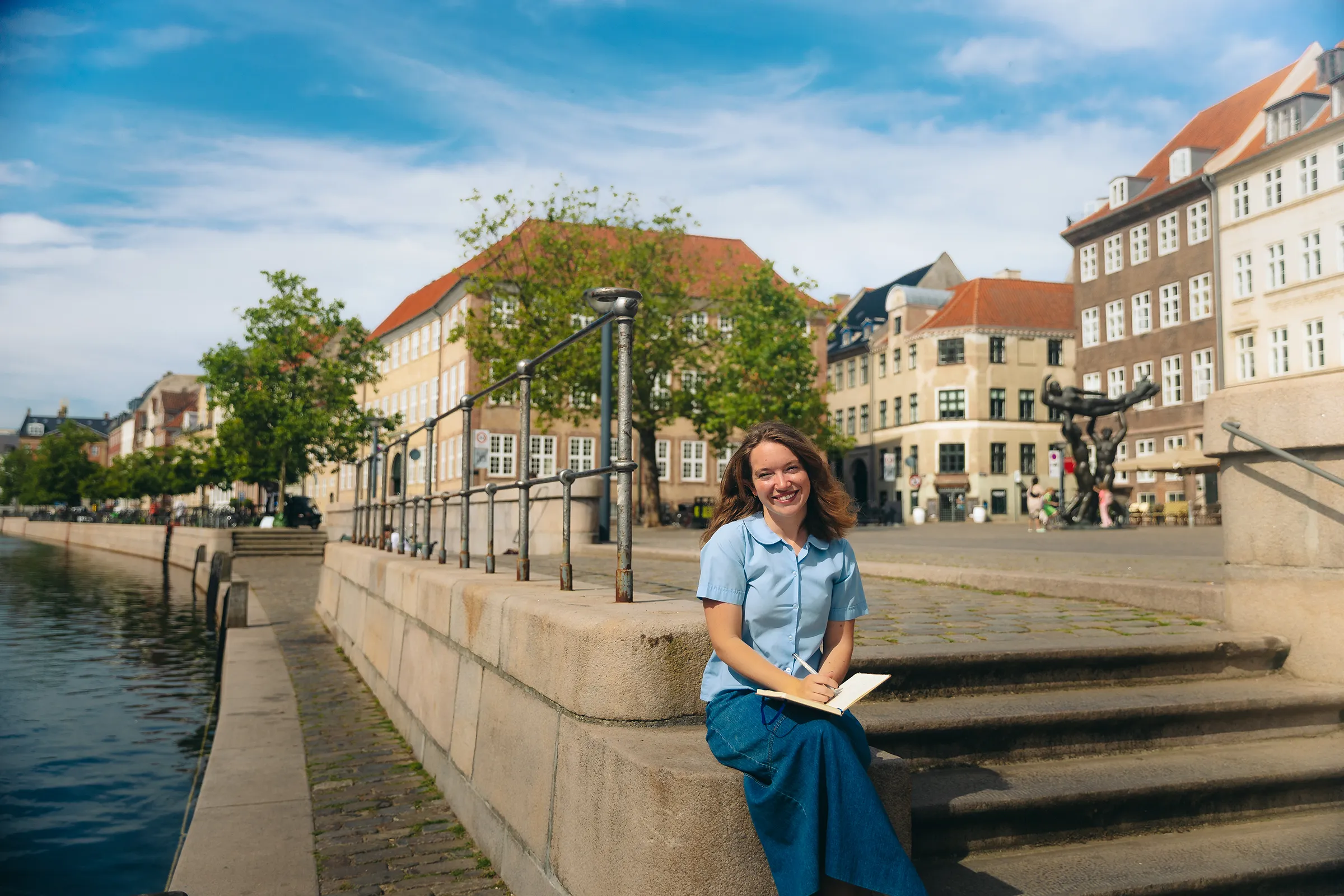
Quickly enough, I became a seasoned expert in the art of the slow afternoon: setting up in a sunny spot with my trusty deck of cards, a book, or my journal, sometimes sketching the scene around me just for the sake of noticing it more deeply.
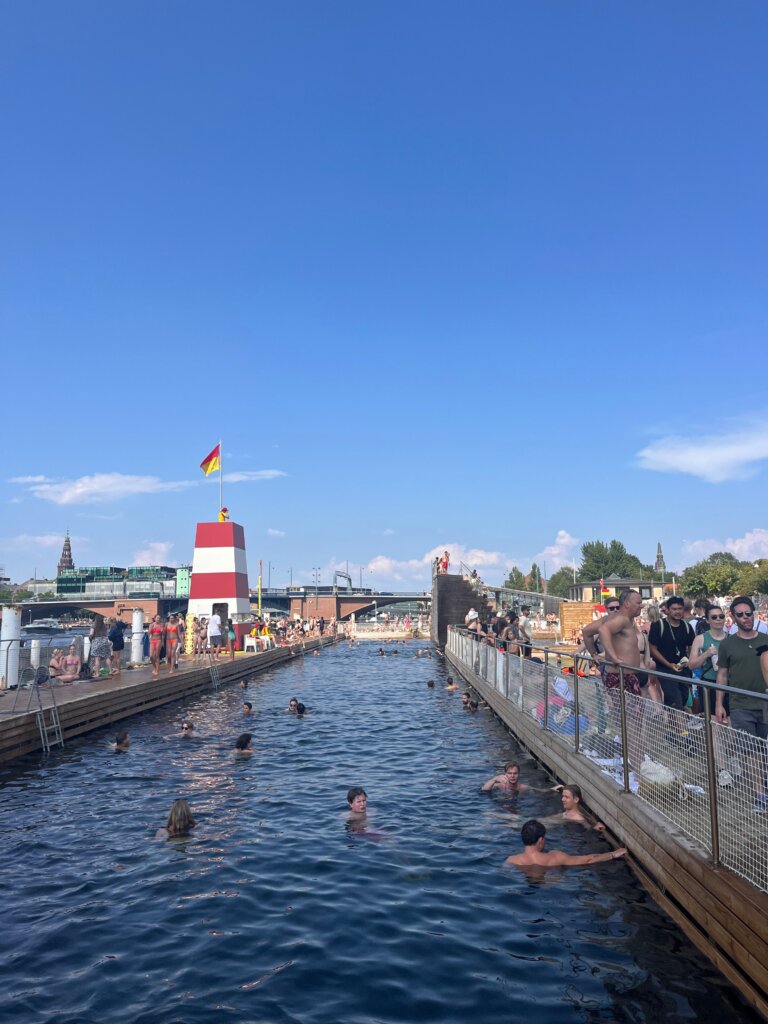
One of the best parts of studying abroad in the summer is how long the days last and the warmer temperatures, meaning you can make the most of Copenhagen and Stockholm’s many public parks and free-to-enjoy areas.
My advice to you – ask for the help you need
If you’re considering studying abroad and, like me, feel intimidated by financial barriers, my advice is to talk about it.
It could be to anyone: professors, advisors at your home college, friends. I was surprised by the resources available to me, everything from grants and scholarships to fresh perspectives and personal advice.
Some of the most helpful and practical money-saving tips I picked up came from conversations with others who had been in similar positions. Of course, it’s important to stay within your own level of comfort, and remember that there’s no need to share more than you want to, but you should know that support is out there.
Sometimes, you just have to be willing to ask.